AUTHOR VISITS:PRESENTATIONS
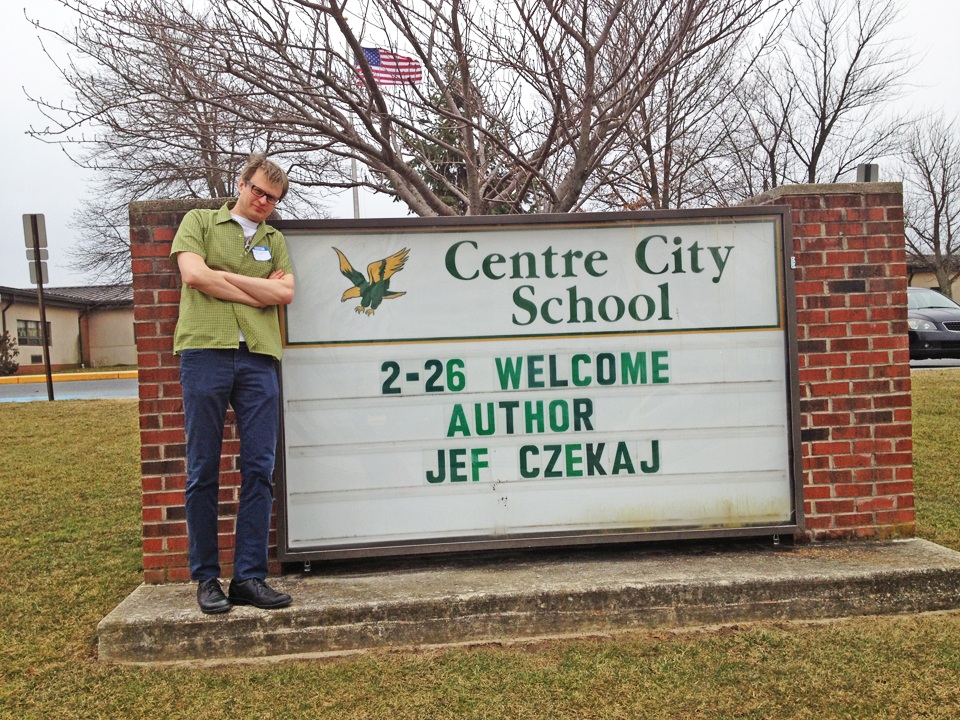
I have several presentations, but each can be customized to meet the specific needs of your students. Two for younger children (K-2nd) and two for grades 3-6. Of course, since every group of kids is different, every presentation I do turns out differently. Generally, each visit includes a reading of a book or two, a short presentation, and, if desired, a short activity. I'm also happy to autograph kids books.
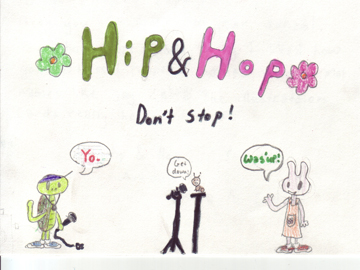
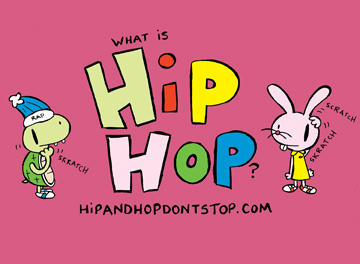
CATS ONLY! (grades K-2nd) The good news: Jef is here to read his book, Cat Secrets. The bad news: this book is only for cats. Luckily, Jef has a cat costume and, if the students are willing to pretend that they are also cats, we can read the book. This presentation consists of two interactive readings: Cat Secrets and one other book (usually Hip & Hop in the House or Dog Rules). After the readings, I talk about what inspires my books (in the case of Cat Secrets, my cat, Tucker) and how I transform things that happen in real life into fiction. FROM BRAIN TO BOOK (grades K-6) The presentation begins with a reading of HIP AND HOP, DON'T STOP! As with the younger grades, this reading involves music and rapping and more closely resembles a "performance" than it does a traditional reading. For the older grades (5th and 6th), I enlist help from the audience to perform the raps from the book. Following that is a humorous talk (using Powerpoint slides) that follows my creative process from brainstorming through to final publication. In particular, it follows the evolution of one specific page from HIP AND HOP, DON'T STOP! from idea, to sketchbook, to rough drafts, to final art. I emphasize the similarities between my art supplies and the kids' (pencils, notebooks, pens, etc), and how my process mirrors the process that kids typically follow in creating stories in the classroom. I bring actual sketches, final art, and tools used to give the kids a concrete picture of the creative process. WHAT THE HECK DO YOU DO ALL DAY? (grades 3-6) Books and other forms of media are presented to young people without any explanation as to how the books were made or who made them. Likewise, the stereotypical idea of "an artist" is of an inaccessible intellectual who sits in his room and draws pretty pictures all day. The reality, or course, is much messier (and much more fun). This presentation demystifies both the creative process and what it's like to be a "professional" artist. I trace my own personal history, from a young boy who liked to tell stories to a published author. I also answer the most common questions I am asked including: How do I come up with my ideas? How is a book made? and Where do you get your ideas? This presentation teaches students that they don't have to wait until they are adults to make art and tell stories. They have the tools right now to make art, and the gap between themselves and "professionals" might not be as big as they think. SAMPLE ART ACTIVITES Depending on time constraints and the individual teachers' desires, I like to do an art activity with the kids. They are usually structured like games and emphasize elements of storytelling techniques, and can be customized to reflect what you are working on with the kids. Here are some examples: INSTANT CHARACTERS: Students choose two index cards from a box. One index card has an adjective written on it (e.g. angry, cute, hungry, etc.) and the other has an animal or creature written on it (e.g. squirrel, whale, ghost, monster). The students are give 5 minutes to draw the character using whatever style and materials they choose. After 5 minutes, the students hold up their drawings and the others have to guess what the drawing is. A NEW PERSPECTIVE: Once again students choose an index card from a box. These index cards have different, funny perspectives or points of view on them (e.g. ants view, x-ray, funhouse mirror). The class chooses a well-know story or fairy tale (e.g. Little Red Riding Hood) and each student is given 5-10 minutes to draw a scene from the story in the perspective they have chosen. We then share our drawings. Download all of this information as a PDF.
|